Starting a home remodeling project is exciting, but it can also feel overwhelming if the details are not planned carefully. Whether you are remodeling a kitchen, updating a bathroom, building an addition, finishing an attic or garage, or making several improvements at once, the early decisions matter.
Many remodeling problems happen before construction ever begins. A rushed plan, unclear scope, unrealistic timeline, or delayed material choices can create stress, added costs, and confusion later.
The good news is that many common home remodeling mistakes can be avoided with thoughtful planning, clear communication, and the right team.
Mistake 1: Starting Without a Clear Scope
One of the biggest remodeling mistakes is beginning the project without a clear understanding of what is included. A homeowner may start with one idea, such as updating a bathroom, but then realize they also want new flooring, lighting, storage, trim, or layout changes.
That is normal, but those decisions should be discussed before work begins whenever possible.
A clear scope helps define the project, the materials, the timeline, and the budget expectations. It also helps avoid misunderstandings about what is included and what would be considered an additional change.
Before starting, it helps to ask:
-
What areas of the home are being remodeled?
-
Are layout changes needed?
-
Are plumbing or electrical updates involved?
-
What materials and finishes need to be selected?
-
Are there any related areas that should be updated at the same time?
-
What is not included in the project?
The more clearly the project is defined at the beginning, the smoother the process can be.
Mistake 2: Choosing Based on Price Alone
Budget matters, but choosing a remodeling company based only on the lowest number can create problems. Not every estimate includes the same materials, labor, preparation, project management, communication, or finish details.
A lower estimate may leave out important parts of the work or may not account for the level of quality the homeowner expects.
When comparing remodeling estimates, look closely at what is included, what is excluded, how changes are handled, and whether the scope feels clear. The right choice is not always the cheapest. It is the one that gives you confidence in the process, communication, and finished result.
Mistake 3: Waiting Too Long to Choose Materials
Material decisions can affect the entire remodeling schedule. Cabinets, countertops, tile, flooring, fixtures, lighting, hardware, doors, windows, and specialty items may need to be selected or ordered before certain phases of work can begin.
Waiting too long to choose materials can delay the project or force rushed decisions.
It is usually better to make major selections early so the design feels connected and the schedule can be planned more accurately. This also gives homeowners more time to compare options instead of making quick choices under pressure.
Mistake 4: Not Thinking About How the Home Is Used
A remodel should look good, but it also needs to support daily life. One of the most common mistakes is focusing too much on finishes and not enough on function.
A beautiful room can still feel frustrating if there is not enough storage, poor lighting, awkward traffic flow, or a layout that does not match how the home is actually used.
Before making design decisions, think about what is not working now. Is the kitchen too crowded? Is the bathroom hard to use? Do you need more living space? Is storage a problem? Do certain rooms feel disconnected?
A strong remodeling plan should solve real problems, not just update surfaces.
Mistake 5: Making Too Many Changes During Construction
Some changes during a remodel are unavoidable, especially if hidden issues are discovered. But frequent changes after work begins can affect the timeline, budget, materials, and schedule.
Changing tile, flooring, cabinetry, fixtures, layout, or lighting late in the process may also affect other parts of the project. One decision can lead to several adjustments.
The best way to avoid this is to spend more time planning before construction starts. That does not mean every detail will be perfect, but it does help reduce preventable delays and confusion.
Mistake 6: Ignoring the Order of Work
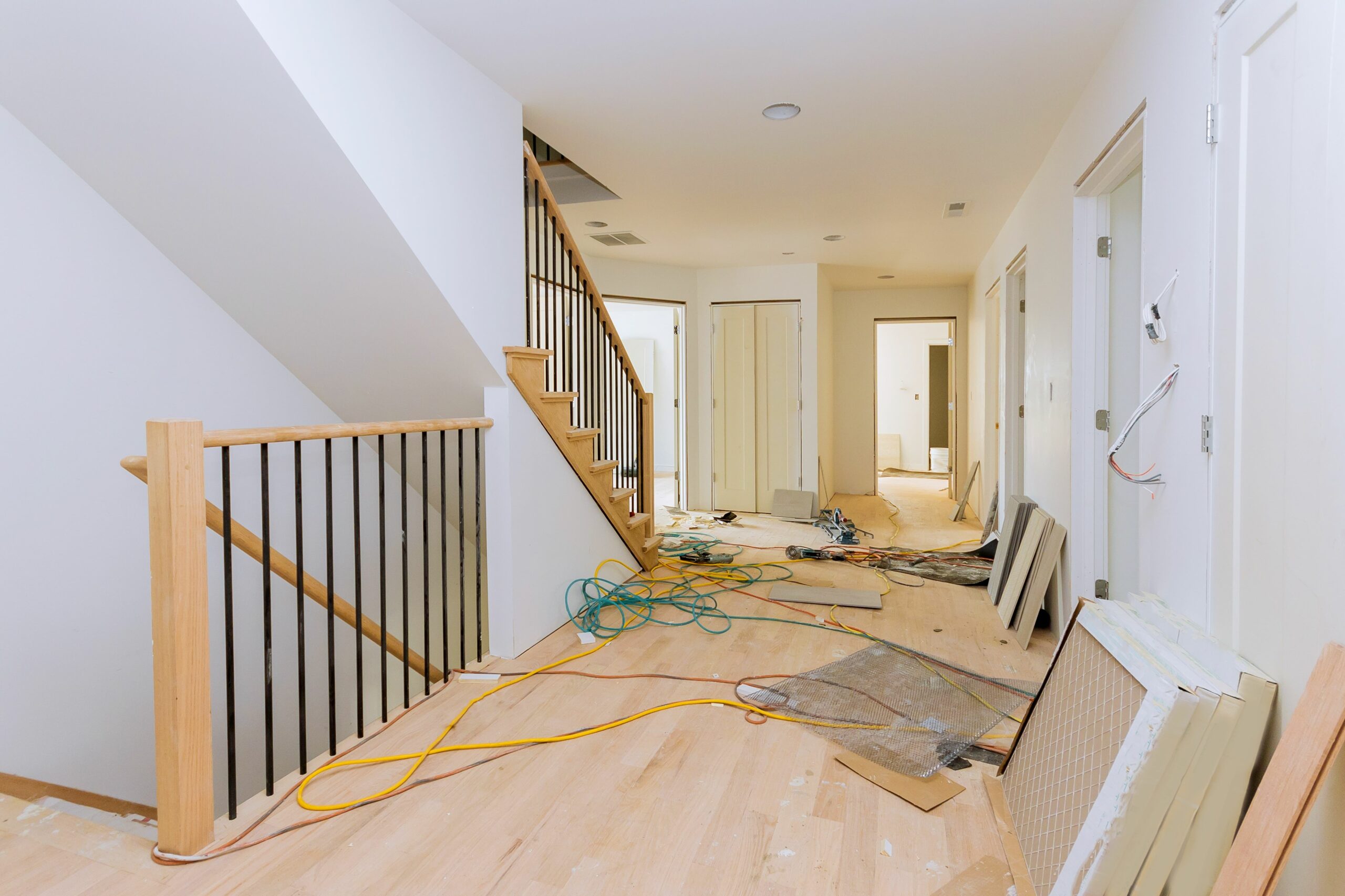
Home remodeling involves a sequence. Demolition, framing, plumbing, electrical, inspections, drywall, flooring, cabinetry, tile, fixtures, trim, paint, and finishing details need to happen in the right order.
When homeowners do not understand the order of work, the project can feel slower or more confusing than expected.
A good remodeling team should explain the general process and help set realistic expectations. Some phases may look like major progress, while others may be slower but still important. Behind-the-wall work, waterproofing, prep, and inspections may not look exciting, but they can affect the quality and longevity of the finished project.
Mistake 7: Forgetting About Daily Life During the Remodel
Remodeling can interrupt normal routines. Depending on the project, homeowners may lose access to a kitchen, bathroom, garage, driveway, laundry area, or part of the home for a period of time.
Planning ahead can make the process easier.
For larger projects, it helps to think about temporary cooking areas, bathroom access, pets, children, dust, parking, storage, and how the household will move through the home while work is happening.
These small preparations can reduce stress once construction begins.
Mistake 8: Not Planning for the Whole Home
A remodeling project should feel connected to the rest of the home. Sometimes homeowners update one room without thinking about how it relates to nearby spaces.
For example, new flooring may need to connect with existing flooring. A kitchen remodel may affect the dining or living area. A bathroom finish should still feel appropriate for the style of the home. An addition should feel like it belongs with the original structure.
Thinking about the whole home helps the finished project feel more intentional and less pieced together.
Mistake 9: Overlooking Storage
Storage is often one of the most valuable parts of a remodel, but it is easy to overlook until the project is finished.
Built-ins, custom cabinetry, pantry storage, linen storage, mudroom features, laundry storage, garage organization, and vanity drawers can all improve the way a home functions.
Good storage does not have to be flashy. It simply makes the home easier to live in.
Mistake 10: Not Asking Enough Questions
Homeowners should feel comfortable asking questions before and during a remodeling project. Clear communication helps prevent confusion and keeps everyone working from the same expectations.
Questions about scope, timeline, materials, access, changes, permits, selections, and next steps are all reasonable.
A remodeling project is a partnership. The more clearly everyone communicates, the easier it is to move through the process with confidence.
Ready to Plan Your Remodeling Project?
If you are thinking about remodeling your home, NC Home Pros can help you plan the project carefully from the beginning.
From kitchens and bathrooms to additions, attic and garage conversions, custom carpentry, outdoor living, and custom homes, our team focuses on thoughtful planning, clear communication, and quality craftsmanship.