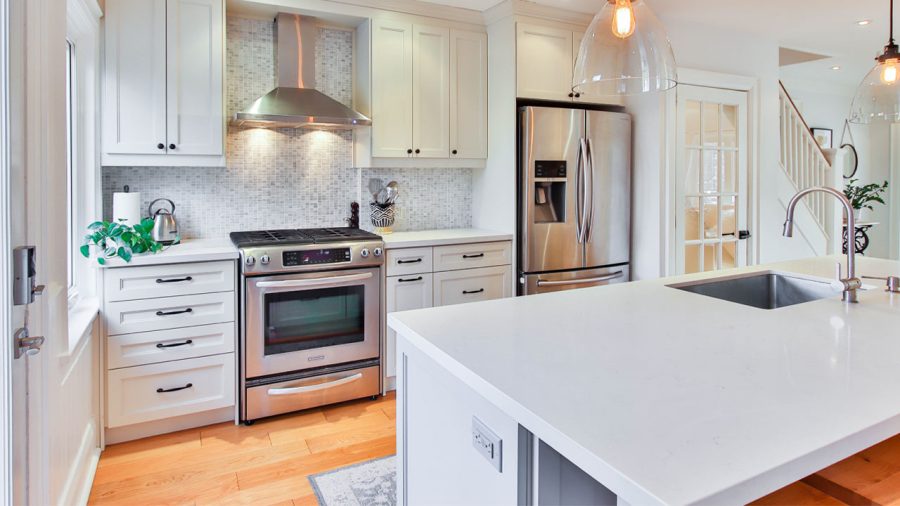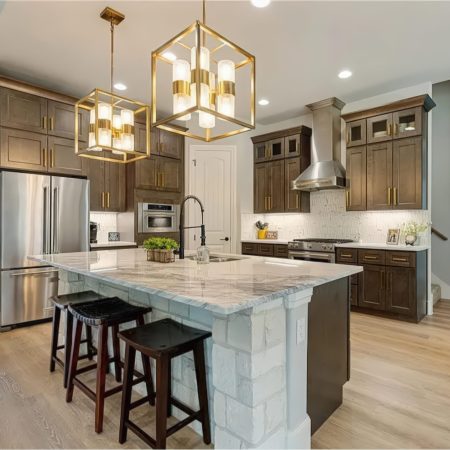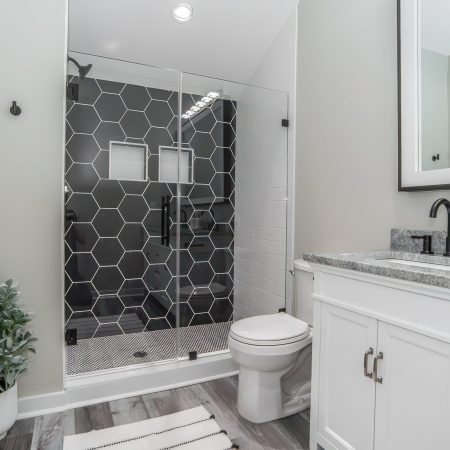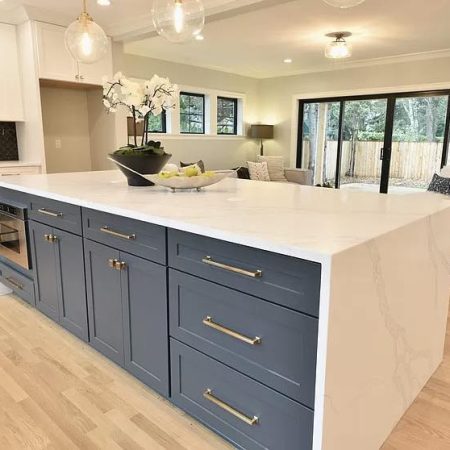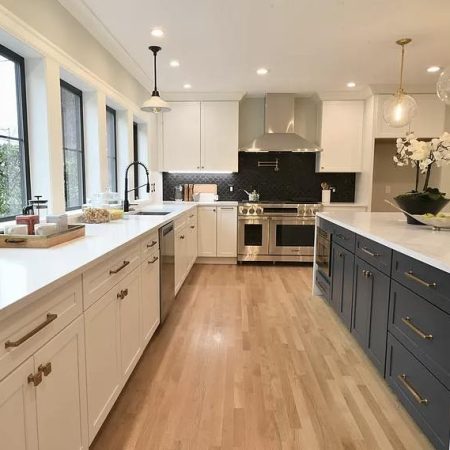
The kitchen is one of the most active spaces in a home. Between cooking, cleaning, lighting, refrigeration, ventilation, dishwashing, and daily use, it can also be one of the rooms where energy and water efficiency matter most.
A professional kitchen remodel is not just about creating a more beautiful space. It is also an opportunity to improve how the kitchen functions, how appliances are placed, how lighting is used, how water flows, and how the space supports daily routines.
When planned well, kitchen remodeling can help reduce waste, improve comfort, and create a kitchen that feels more efficient, practical, and enjoyable to use.
Why Energy Efficiency Matters in a Kitchen Remodel
Energy efficiency is about using resources more wisely. In a kitchen, that can include electricity, water, lighting, ventilation, appliance performance, and even the way the layout supports everyday tasks.
An older kitchen may have outdated appliances, poor lighting, inefficient plumbing fixtures, limited ventilation, or a layout that makes the space harder to use. A remodel gives homeowners the chance to improve those details while updating the look and function of the room.
Energy-efficient kitchen remodeling may help improve:
-
Daily comfort
-
Appliance performance
-
Lighting quality
-
Water use
-
Ventilation
-
Indoor air quality
-
Long-term operating costs
-
Overall home value
-
The way the kitchen functions every day
The goal is not just to make the kitchen look newer. It is to create a space that works smarter.
Start with a Better Kitchen Layout
A thoughtful kitchen layout can improve more than movement and storage. It can also help the kitchen operate more efficiently.
When appliances, sinks, prep areas, storage, and lighting are placed carefully, the kitchen becomes easier to use. A better layout can reduce wasted steps, improve workflow, and make it easier to cook, clean, and gather without overusing certain areas of the room.
A more efficient kitchen layout may include:
-
Better appliance placement
-
Improved sink and prep area locations
-
More usable counter space
-
Better cabinet and pantry storage
-
Easier access to cookware and everyday items
-
Clearer traffic flow
-
Better connection to dining or living spaces
-
Improved lighting placement
A professional remodel helps look at the kitchen as a whole instead of treating each feature as a separate update.
Upgrade to More Efficient Appliances
Appliances play a major role in kitchen energy use. Refrigerators, dishwashers, ovens, ranges, microwaves, and ventilation systems all affect how the kitchen performs day to day.
During a kitchen remodel, homeowners often have the opportunity to replace older appliances with newer models that are designed to use energy and water more efficiently. The right appliance choices can also improve convenience, performance, and the overall flow of the kitchen.
Common appliance upgrades may include:
-
Energy-efficient refrigerators
-
Efficient dishwashers
-
Induction or updated cooktops
-
Convection ovens
-
Improved range hoods
-
Built-in microwaves or microwave drawers
-
Properly sized appliances for the space
-
Appliances placed for better workflow
Appliance selection should be part of the overall kitchen plan. Size, location, ventilation, electrical needs, and daily use all matter.
Improve Kitchen Lighting
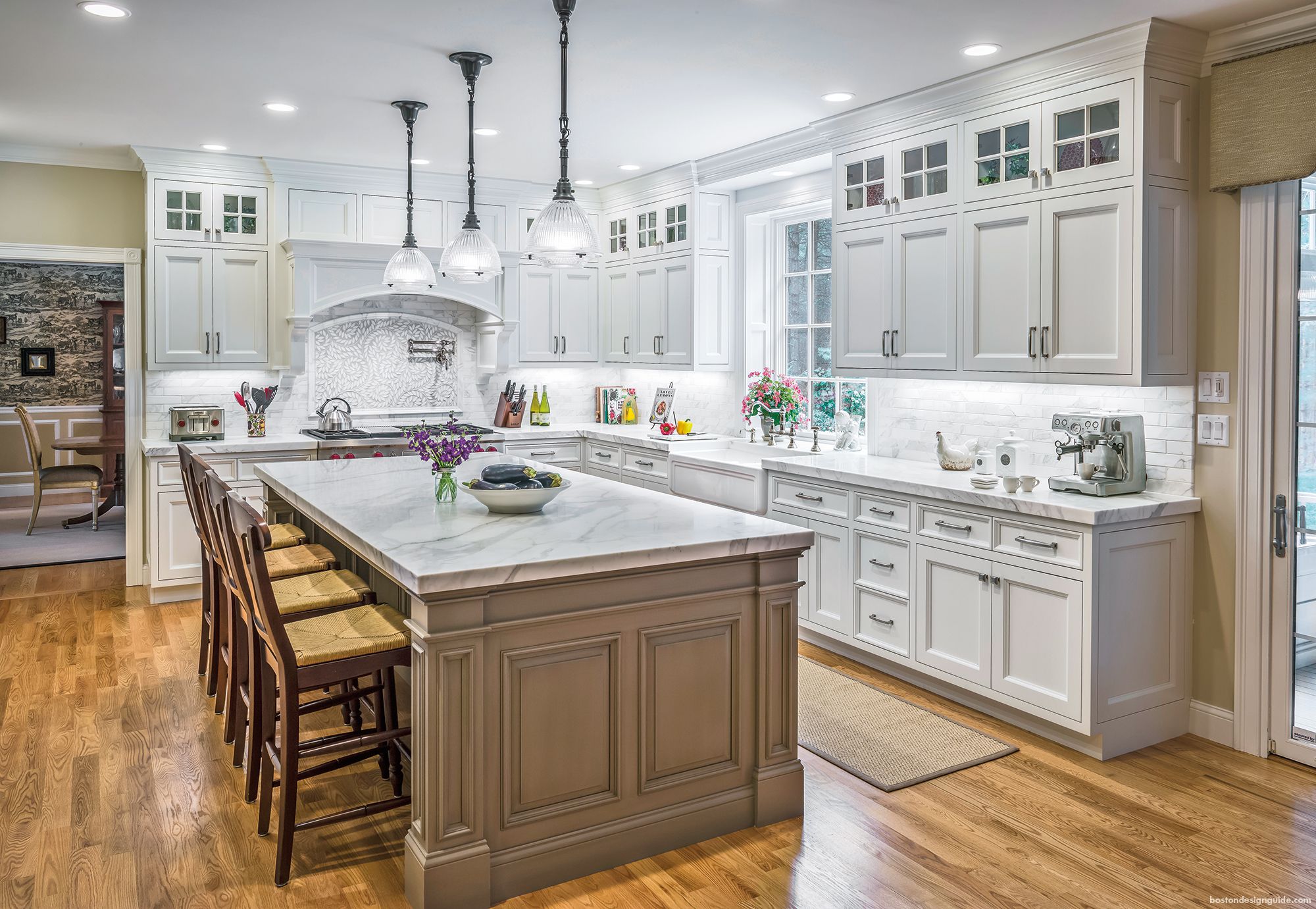
Lighting is one of the easiest places to improve energy efficiency during a kitchen remodel. Older kitchens may rely on one overhead fixture or outdated lighting that does not provide enough brightness where it is needed.
A better lighting plan uses layers. This makes the kitchen more functional while allowing homeowners to use the right amount of light for each task.
A strong kitchen lighting plan may include:
-
Recessed lighting
-
Under-cabinet lighting
-
Pendant lights over an island
-
Task lighting near prep areas
-
Lighting over the sink
-
Accent lighting for shelves or cabinetry
-
Dimmers for better control
-
LED lighting where appropriate
Layered lighting helps the kitchen feel brighter, more comfortable, and more intentional. It also allows homeowners to use focused lighting instead of lighting the entire room the same way all the time.
Choose Water-Efficient Fixtures
Water use is another important part of kitchen efficiency. The sink, faucet, dishwasher, and plumbing layout all affect how water is used in the kitchen.
A remodel can be a good time to upgrade faucets, review plumbing, improve sink function, and choose fixtures that support everyday use without unnecessary waste.
Water-conscious kitchen updates may include:
-
Updated kitchen faucets
-
Pull-down or pull-out faucet designs
-
Better sink placement
-
Efficient dishwashers
-
Improved plumbing connections
-
Leak repair or replacement during construction
-
Better planning around prep and cleanup areas
Even small fixture updates can make the kitchen feel easier to use. The key is choosing products that fit the way the household actually uses the space.
Improve Ventilation and Air Flow
Ventilation is sometimes overlooked in kitchen remodeling, but it can make a big difference in comfort. Cooking creates heat, steam, odors, moisture, and airborne particles that need to be managed properly.
A better ventilation plan can help the kitchen feel cleaner, more comfortable, and more enjoyable to use.
Kitchen ventilation improvements may include:
-
A properly sized range hood
-
Better range hood placement
-
Improved exhaust options
-
Ventilation matched to the cooking appliance
-
Better air flow around the cooking area
-
Moisture and odor control
-
Updated ducting when needed
Good ventilation supports comfort and helps protect the surrounding finishes, cabinetry, and surfaces over time.
Use Better Windows, Doors, and Insulation When Needed
Not every kitchen remodel involves windows, doors, or insulation, but these details can matter when the project includes exterior walls, additions, major layout changes, or larger renovations.
Older windows, poor sealing, or limited insulation can affect temperature control in the kitchen. This may make the room feel too hot, too cold, or less comfortable during certain times of the year.
Depending on the project, efficiency improvements may include:
-
Updated kitchen windows
-
Better exterior door sealing
-
Improved insulation in opened walls
-
Better air sealing
-
More natural light
-
Window placement that supports the kitchen layout
-
Better connection to outdoor living areas
These improvements are especially important when a remodel involves structural changes or opens up walls where hidden issues can be addressed.
Select Durable Materials That Support Long-Term Efficiency
Energy efficiency is not only about appliances and lighting. It is also about choosing materials that hold up well, require less frequent replacement, and support long-term use.
Durable materials can make a kitchen more practical and easier to maintain. This can reduce waste over time and help the remodel last longer.
Durable kitchen material choices may include:
-
Quality cabinetry
-
Long-lasting countertops
-
Durable flooring
-
Easy-to-clean backsplash tile
-
Moisture-resistant materials where needed
-
Quality hardware
-
Well-made fixtures
-
Finishes that fit the way the kitchen is used
A remodel should not only look good when it is finished. It should continue to function well for years.
Add Smarter Storage to Reduce Clutter and Improve Function
Storage may not seem connected to energy efficiency at first, but a better organized kitchen can make daily routines easier. When everything has a place, homeowners can use the kitchen more efficiently and avoid overcrowded counters, wasted space, or awkward movement.
Custom cabinetry, pantry storage, deep drawers, pull-outs, and built-in organization can all help the kitchen work better.
Storage improvements may include:
-
Deep drawers for pots and pans
-
Pull-out pantry shelves
-
Built-in dividers
-
Hidden trash and recycling
-
Appliance storage
-
Corner cabinet solutions
-
Tray and cutting board storage
-
Better pantry organization
-
Custom cabinet layouts
Better storage makes the kitchen cleaner, calmer, and easier to use every day.
Consider Smart Kitchen Features Thoughtfully
Smart kitchen technology can be useful, but it should be chosen carefully. Not every kitchen needs every smart feature. The best technology is the kind that makes daily routines easier and supports how the homeowner actually lives.
Smart features may help with lighting control, appliance settings, water monitoring, or convenience. The key is to choose features that add real value instead of making the kitchen feel overcomplicated.
Smart kitchen features may include:
-
Smart lighting controls
-
Programmable appliances
-
Smart refrigerators
-
Touchless faucets
-
Leak detection devices
-
App-connected ovens or ranges
-
Smart ventilation controls
-
Dimmers and lighting zones
Technology should support the kitchen design, not distract from it.
Plan Electrical Updates the Right Way
A kitchen remodel often involves electrical work, especially when appliances, lighting, outlets, or the layout are changing. This is an important part of both safety and function.
Professional planning helps make sure the kitchen has the right electrical support for the way it will be used.
Electrical updates may involve:
-
Additional outlets
-
Dedicated appliance circuits
-
Updated lighting placement
-
Under-cabinet lighting wiring
-
Island outlets
-
Code-related updates
-
GFCI protection where required
-
Support for new appliances
-
Better switch placement
A kitchen should be designed for modern use, especially with today’s appliances, small electronics, charging needs, and lighting options.
How Professional Remodeling Helps Improve Efficiency
A professional kitchen remodel looks at how all the pieces work together. Appliances, lighting, plumbing, cabinetry, ventilation, flooring, layout, and finishes all affect the final result.
When each part is planned separately, the kitchen may look updated but still function poorly. When the project is planned as a whole, the space can become more efficient, comfortable, and cohesive.
Professional kitchen remodeling can help with:
-
Choosing the right materials
-
Planning appliance placement
-
Coordinating electrical and plumbing needs
-
Improving ventilation
-
Managing construction details
-
Identifying hidden issues
-
Ordering materials in the right sequence
-
Avoiding costly mistakes
-
Creating a more functional layout
-
Making the finished kitchen feel intentional
The right team can help homeowners make smart decisions before construction begins, which can save time and reduce stress during the project.
Energy Efficiency Can Also Improve Comfort
Efficiency is not only about utility bills. A more efficient kitchen can also feel better to use.
Better lighting makes food prep easier. Improved ventilation keeps the space more comfortable while cooking. Updated appliances can make daily tasks smoother. Better windows, insulation, or air sealing can improve temperature control. A more organized layout can make the kitchen feel calmer and less frustrating.
A more efficient kitchen can improve comfort through:
-
Better lighting
-
Less clutter
-
Improved air flow
-
Easier cooking and cleanup
-
Better temperature control
-
More functional storage
-
More comfortable gathering space
-
A layout that supports daily routines
When a kitchen works well, the entire home can feel more enjoyable.
Is Energy-Efficient Kitchen Remodeling Worth It?
For many homeowners, yes. Energy-efficient kitchen remodeling can improve daily function, comfort, and long-term value. It can also help homeowners make better use of one of the busiest spaces in the home.
The most important thing is to make updates that fit the home and the way the kitchen is used. A thoughtful remodel does not need to include every possible upgrade. It should include the improvements that make the most sense for the layout, budget, goals, and long-term plans for the home.
A kitchen remodel is an opportunity to create a space that feels beautiful, practical, efficient, and built to last.
Ready to Plan a More Efficient Kitchen?
If you are thinking about remodeling your kitchen, NC Home Pros can help you look at the space as a whole. From layout improvements and appliance placement to lighting, cabinetry, countertops, tile, flooring, ventilation, fixtures, and finishing details, our team focuses on creating kitchens that feel thoughtful, functional, and carefully built.
Start your kitchen remodeling project with NC Home Pros today.
FAQs About Kitchen Remodeling and Energy Efficiency
Can a kitchen remodel really improve energy efficiency?
Yes. A kitchen remodel can improve energy efficiency by updating appliances, lighting, plumbing fixtures, ventilation, insulation, windows, and the overall layout of the space. The exact improvements depend on the scope of the project.
What kitchen upgrades help with energy efficiency?
Common upgrades include energy-efficient appliances, LED lighting, better ventilation, updated faucets, improved plumbing, better windows, added insulation where needed, and a more efficient layout.
Does kitchen lighting affect energy efficiency?
Yes. A better lighting plan can make the kitchen brighter and more functional while using lighting more intentionally. LED lighting, under-cabinet lighting, dimmers, and lighting zones can all help improve efficiency and comfort.
Should I replace my appliances during a kitchen remodel?
If your appliances are older, poorly placed, or no longer fit the way you use the kitchen, replacing them may be worth considering. New appliances can improve performance, function, and overall kitchen design.
How do I start planning an energy-efficient kitchen remodel?
Start by thinking about how you use your kitchen, what feels inefficient, and which updates would make the biggest difference. NC Home Pros can review your goals, discuss the project scope, and help you plan a kitchen remodel that supports both function and efficiency.