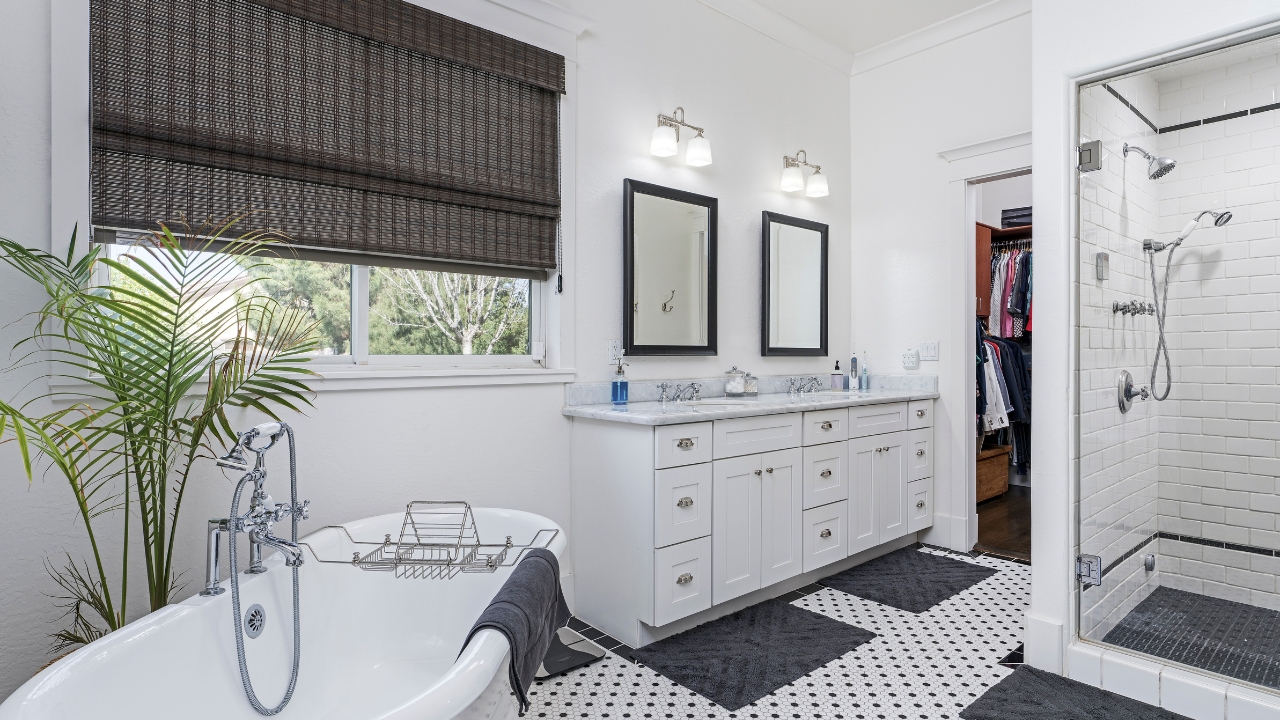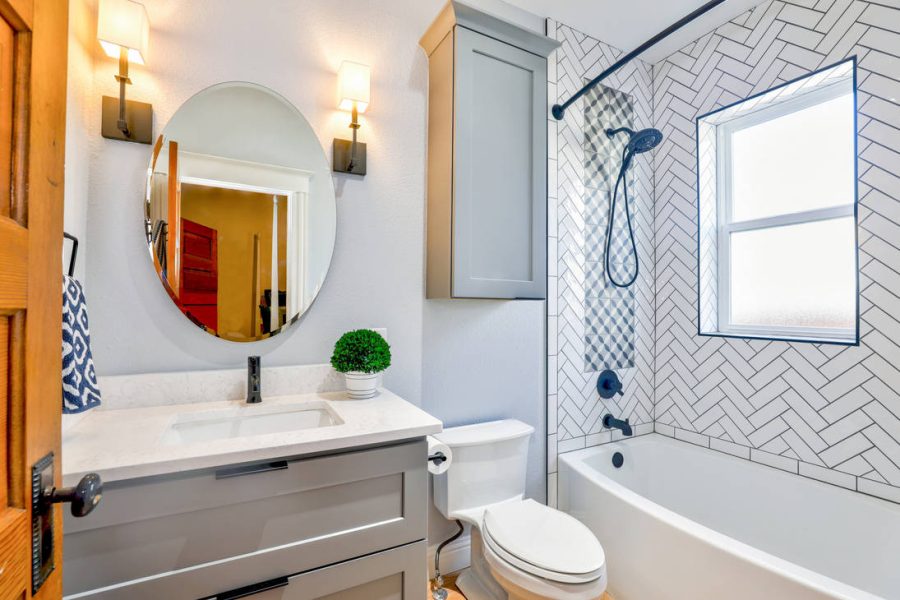
Choosing the right bathroom remodeling materials can make a big difference in how the finished space looks, feels, and holds up over time. Bathrooms deal with moisture, humidity, daily use, cleaning products, and changing temperatures, so materials need to be both beautiful and practical.
The best bathroom materials are not always the most expensive or the trendiest. They are the materials that fit the way the bathroom is used, support the design of the home, and are durable enough for everyday life.
From flooring and shower tile to countertops, fixtures, vanities, and finishes, each choice plays a role in creating a bathroom that feels comfortable, functional, and built to last.
Start with Materials That Can Handle Moisture
Bathrooms need materials that are designed for wet and humid spaces. A finish that works well in a bedroom or hallway may not be the right choice for a bathroom.
Moisture resistance should be one of the first things homeowners consider, especially around showers, tubs, sinks, floors, and vanities.
Before choosing bathroom remodeling materials, think through details such as:
-
How often the bathroom is used
-
Whether it is a primary bathroom, guest bath, powder room, or children’s bathroom
-
How much moisture the space gets
-
Whether there is a walk-in shower, tub, or shower-tub combination
-
How much maintenance you are willing to do
-
Whether the material is easy to clean
-
How the materials work with the rest of the home
-
Whether the finish will still feel right years from now
The right materials should support both the look and the daily function of the bathroom.
Bathroom Flooring Options
Bathroom flooring needs to be durable, moisture-resistant, and comfortable enough for daily use. It also needs to work with the overall design of the room.
Some materials are better suited for full bathrooms, while others may work better in powder rooms or lower-moisture areas.
Porcelain and Ceramic Tile Flooring
Porcelain and ceramic tile are two of the most common bathroom flooring choices. They are durable, water-resistant, easy to clean, and available in many colors, sizes, and styles.
Porcelain tile is often denser and less porous than ceramic, which can make it a strong choice for bathroom floors and showers.
Porcelain and ceramic tile can work well for:
-
Primary bathrooms
-
Guest bathrooms
-
Shower floors
-
Bathroom floors
-
Laundry areas
-
High-moisture spaces
-
Homes that need a durable, low-maintenance option
Tile is a strong bathroom flooring choice, but installation matters. Proper prep, waterproofing where needed, and grout selection all affect the finished result.
Luxury Vinyl Plank Flooring
Luxury vinyl plank, often called LVP, can be a practical bathroom flooring option in the right situation. It is popular because it can offer the look of wood with better moisture resistance and easier maintenance.
LVP can work especially well when homeowners want a warmer look but do not want the upkeep of real wood in a bathroom.
Luxury vinyl plank flooring may be a good fit for:
-
Powder rooms
-
Guest bathrooms
-
Bathroom areas outside the shower
-
Families who want softer flooring underfoot
-
Homes where the flooring needs to connect with nearby rooms
-
Lower-maintenance remodeling projects
For full bathrooms, product selection and installation are important. Not all flooring products are equally suited for wet areas.
Natural Stone Flooring
Natural stone can create a beautiful and elevated bathroom, but it usually requires more care than porcelain or ceramic tile. Materials like marble, slate, limestone, and travertine can add texture and character, but they may need sealing and more careful maintenance.
Natural stone can be a good choice when homeowners want a more custom or high-end look and are comfortable with the upkeep.
Natural stone flooring should be chosen with care because it may require:
-
Sealing
-
More maintenance
-
Careful cleaning products
-
Slip-resistance consideration
-
Professional installation
-
Regular upkeep over time
Natural stone can be beautiful, but it should fit the lifestyle of the homeowner.
Bathroom Flooring Materials to Be Careful With
Some materials can be risky in bathrooms because of moisture. Hardwood, standard laminate, and carpet are usually not the best choices for full bathrooms.
They may be more vulnerable to moisture damage, swelling, staining, or wear in damp areas.
Bathroom flooring choices to approach carefully include:
-
Solid hardwood
-
Standard laminate
-
Carpet
-
Materials not rated for moisture
-
Very slippery tile finishes
-
Products that require high maintenance in wet areas
The bathroom floor should be chosen for both style and long-term performance.
Shower Tile and Wall Tile
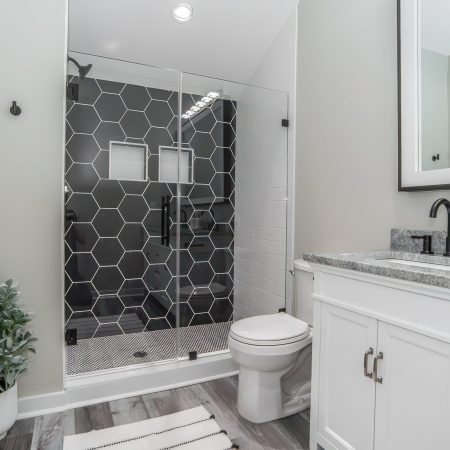
Shower tile has to do more than look good. It needs to handle constant moisture, cleaning, soap, temperature changes, and daily use.
Tile size, texture, grout lines, color, layout, and maintenance all matter.
Large-Format Tile
Large-format tile is popular because it creates a cleaner look with fewer grout lines. This can make the bathroom feel more open and easier to maintain.
Large tile can work well on shower walls, bathroom floors, and accent walls, depending on the design.
Large-format tile can help create:
-
Fewer grout lines
-
A cleaner, more modern look
-
A more open feeling
-
Easier maintenance
-
A more seamless shower design
-
A polished, high-end appearance
Large-format tile requires careful installation so the finished result looks clean and even.
Subway Tile
Subway tile is a classic bathroom choice. It can feel traditional, modern, or transitional depending on the size, color, grout, and layout.
A simple subway tile can still feel updated when it is installed in a vertical pattern, stacked layout, or paired with a thoughtful grout color.
Subway tile can be used for:
-
Shower walls
-
Tub surrounds
-
Bathroom backsplashes
-
Accent walls
-
Traditional bathroom designs
-
Clean, simple bathroom updates
Subway tile is a good option when homeowners want a look that feels familiar, flexible, and timeless.
Textured or Handmade-Look Tile
Textured and handmade-look tile can add warmth and character to a bathroom. These tiles often have slight variation, which gives the space a softer and more custom feel.
They work especially well when the rest of the bathroom design is simple.
Textured tile can add interest through:
-
Subtle color variation
-
Handmade edges
-
Glossy or matte finishes
-
Vertical layouts
-
Soft neutral tones
-
Accent walls
-
Shower niche details
This type of tile can make a bathroom feel more personal without making it feel too busy.
Shower Floor Tile
Shower floor tile needs to be chosen carefully. Smaller tile is often used because additional grout lines can help with traction and allow the tile to follow the slope of the shower floor.
The tile should feel comfortable underfoot and should not be too slippery.
Shower floor tile should be selected for:
-
Slip resistance
-
Drainage
-
Comfort
-
Durability
-
Maintenance
-
Coordination with shower wall tile
-
Proper installation
A shower floor is not the place to choose a material only because it looks good. Safety and function matter too.
Bathroom Countertops
Bathroom countertops need to handle water, daily products, cleaning, and everyday use. They also play a major role in the overall look of the vanity area.
Quartz Countertops
Quartz is a popular bathroom countertop choice because it is durable, low-maintenance, and available in many colors and patterns. It can offer a clean, polished look without requiring the same upkeep as some natural stone options.
Quartz can be a strong choice for bathroom countertops because it is:
-
Durable
-
Low-maintenance
-
Easy to clean
-
Available in many styles
-
Good for primary and guest bathrooms
-
Practical for daily use
Quartz works well in many bathroom styles, from classic to modern.
Natural Stone Countertops
Natural stone can bring beauty and character to a bathroom vanity. Marble, granite, and other stone materials can create a more custom look, but they may require sealing and more care.
Natural stone countertops may be a good fit when homeowners want:
-
A high-end look
-
Natural variation
-
Unique character
-
A more traditional or luxury feel
-
A surface they are willing to maintain
Natural stone should be selected carefully based on how the bathroom is used.
Solid Surface and Other Countertop Options
Solid surface materials can be another option for bathroom countertops. They are often smooth, clean-looking, and relatively easy to maintain.
The best countertop choice depends on the design, budget, maintenance preference, and how much daily use the bathroom receives.
Bathroom Fixtures and Plumbing Finishes
Fixtures are smaller than tile or flooring, but they have a major impact on the finished bathroom. Faucets, showerheads, tub fillers, drains, towel bars, and cabinet hardware all help define the style of the room.
They also affect how the bathroom functions every day.
Bathroom fixtures and finishes may include:
-
Sink faucets
-
Showerheads
-
Handheld shower fixtures
-
Tub fillers
-
Shower valves
-
Cabinet hardware
-
Towel hooks
-
Towel bars
-
Toilet paper holders
-
Drains and trim pieces
Choosing fixtures early helps make sure finishes, plumbing needs, and design details work together.
Popular Bathroom Fixture Finishes
Bathroom fixture finishes should coordinate with the rest of the room. The finish does not have to match every detail perfectly, but it should feel intentional.
Common bathroom fixture finishes include:
-
Brushed nickel
-
Polished chrome
-
Matte black
-
Brushed gold
-
Champagne bronze
-
Oil-rubbed bronze
-
Polished nickel
Chrome and brushed nickel often feel classic and flexible. Matte black can add contrast. Brushed gold and champagne bronze can bring warmth. The right choice depends on the overall design of the bathroom.
Vanity and Cabinet Materials
The vanity is one of the hardest-working pieces in the bathroom. It needs to handle storage, moisture, daily routines, and the visual style of the room.
Quality cabinetry matters, especially in bathrooms where humidity can affect lower-quality materials over time.
Bathroom vanity options may include:
-
Custom vanity cabinetry
-
Furniture-style vanities
-
Floating vanities
-
Double vanities
-
Narrow vanities for small spaces
-
Vanities with deep drawers
-
Linen cabinets
-
Built-in storage
A well-designed vanity can improve both the look and function of the bathroom.
Choosing Materials for a Walk-In Shower
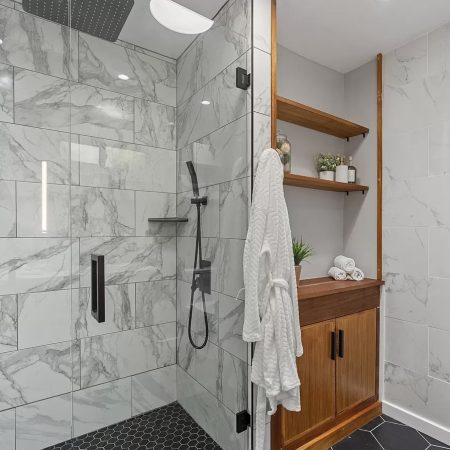
A walk-in shower is often one of the biggest features in a bathroom remodel. The materials selected for the shower need to work together for beauty, safety, durability, and moisture control.
Walk-in shower materials may include:
-
Porcelain or ceramic wall tile
-
Smaller shower floor tile
-
Frameless glass
-
Built-in shower niches
-
Shower benches
-
Quality waterproofing materials
-
Durable grout
-
Coordinated plumbing fixtures
-
Proper ventilation
The success of a walk-in shower depends as much on what is behind the tile as what is visible on the surface.
How to Compare Bathroom Materials
When comparing bathroom remodeling materials, it helps to look beyond appearance. A material may be beautiful, but it also needs to fit the room, the budget, and the way the bathroom will be used.
When comparing bathroom materials, consider:
-
Moisture resistance
-
Durability
-
Maintenance
-
Slip resistance
-
Cleaning needs
-
Cost
-
Installation requirements
-
Style
-
Long-term value
-
How the material works with other finishes
The right material choices should make the bathroom easier to use, not harder to maintain.
Keep the Design Cohesive
Bathrooms usually look better when the materials feel connected. Too many unrelated finishes can make the room feel busy, especially in smaller spaces.
A cohesive bathroom design does not mean everything has to match exactly. It means the tile, flooring, vanity, countertop, fixtures, paint, lighting, and hardware should feel like they belong together.
To create a cohesive bathroom design, consider:
-
Limiting the number of tile styles
-
Choosing one main metal finish
-
Using one or two accent finishes carefully
-
Repeating similar tones
-
Balancing warm and cool materials
-
Matching the bathroom style to the rest of the home
-
Choosing durable materials that fit daily use
A bathroom should feel thoughtfully planned from floor to ceiling.
Ready to Choose Materials for Your Bathroom Remodel?
If you are planning a bathroom remodel, NC Home Pros can help you think through the materials, layout, fixtures, tile, flooring, and finishing details that make the most sense for your home.
From custom showers and tile to vanities, countertops, fixtures, flooring, lighting, and storage, our team focuses on thoughtful planning, clear communication, and quality craftsmanship.
Start your bathroom remodeling project with NC Home Pros today.
FAQs About Bathroom Remodeling Materials
What is the best flooring for a bathroom remodel?
Porcelain and ceramic tile are common choices because they are durable, water-resistant, and easy to clean. Luxury vinyl plank may also work well in some bathrooms, depending on the product and installation.
What tile is best for a shower?
Porcelain and ceramic tile are popular shower choices because they handle moisture well and come in many styles. Shower floor tile should also be selected for slip resistance, drainage, and comfort.
Is quartz good for bathroom countertops?
Yes. Quartz is a strong bathroom countertop option because it is durable, low-maintenance, and available in many colors and patterns.
What bathroom fixture finish is best?
The best finish depends on the style of the bathroom. Chrome and brushed nickel are classic choices, matte black adds contrast, and brushed gold or champagne bronze can bring warmth.
How do I choose the right materials for my bathroom remodel?
Start by thinking about how the bathroom is used, how much maintenance you want, and what style fits your home. NC Home Pros can help review material options and plan a bathroom remodel that feels beautiful, functional, and built to last.