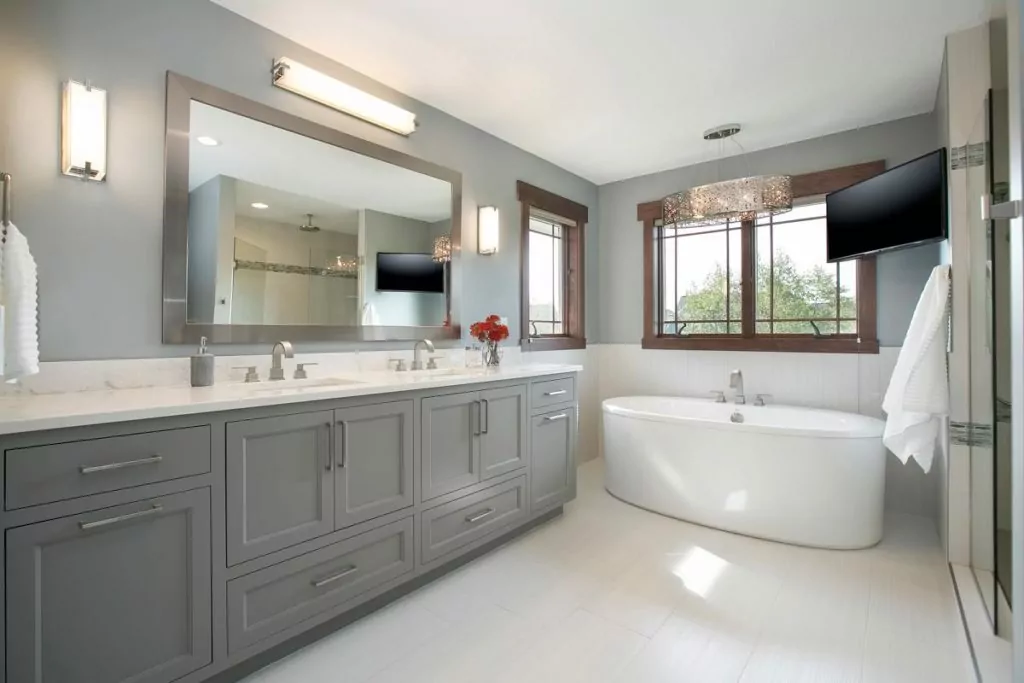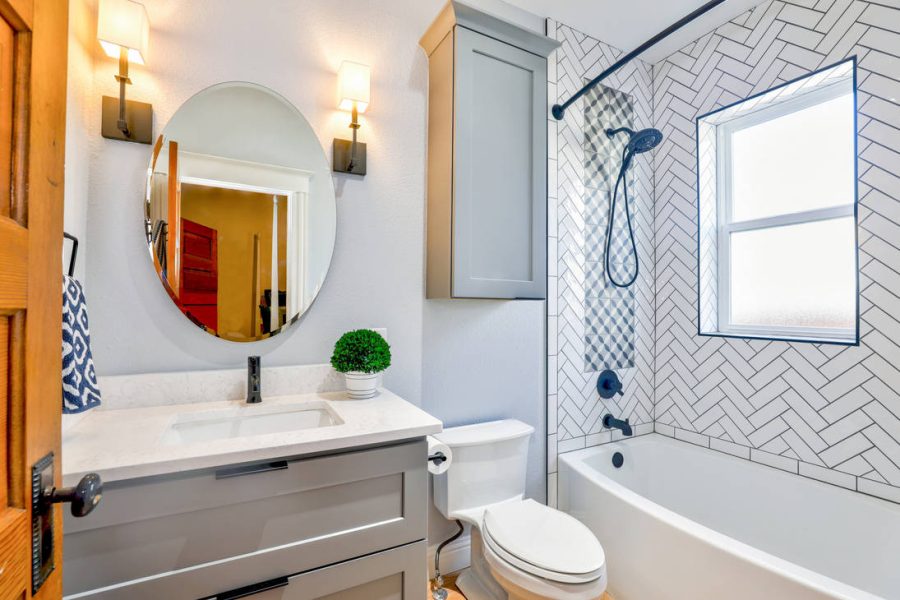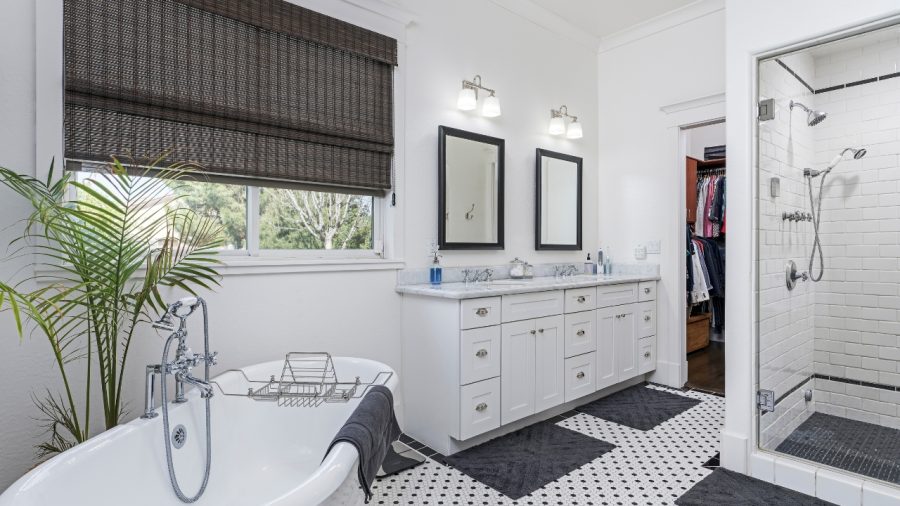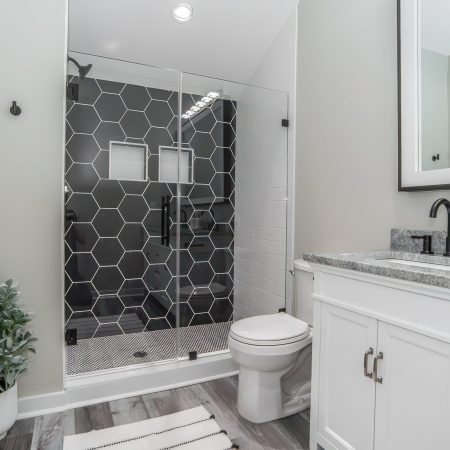
A bathroom remodel can make one of the most used spaces in your home feel more comfortable, functional, and finished. Whether you are updating a hall bathroom, remodeling a guest bath, or creating a more relaxing primary bathroom, the process works best when you know what to expect before construction begins.
Bathroom remodeling involves more than choosing tile and fixtures. The layout, plumbing, electrical work, flooring, shower or tub design, vanity, storage, lighting, ventilation, and finishing details all need to come together in the right order.
A clear process can help the project feel more organized and less overwhelming.
Start with Your Goals for the Bathroom
Before any work begins, it is important to think through what you want the bathroom to do better. Some homeowners want a more updated look. Others need better storage, improved lighting, a larger shower, safer access, or a more functional layout.
The goals of the remodel will shape the entire project.
Before starting a bathroom remodel, think through details such as:
-
What feels outdated in the current bathroom
-
Whether the layout works well
-
Whether you need a tub, shower, or both
-
How much storage is needed
-
Whether the vanity is the right size
-
If the lighting is bright enough
-
Whether the flooring is durable and safe
-
How easy the bathroom is to clean
-
Whether plumbing or electrical updates may be needed
-
What style and finishes feel right for your home
The more clearly you understand your goals, the easier it is to make decisions during the remodel.
Step 1: Consultation and Project Planning
The first step in the bathroom remodeling process is the consultation and planning stage. This is where the overall scope of the project begins to take shape.
During this stage, the existing bathroom is reviewed, project goals are discussed, and the main priorities are identified. A small bathroom update will have a different process than a full bathroom renovation with a custom shower, new tile, vanity, lighting, plumbing fixtures, and flooring.
The planning stage may include discussing:
-
Bathroom layout
-
Shower or tub options
-
Vanity size and storage
-
Tile preferences
-
Flooring options
-
Lighting needs
-
Plumbing fixture updates
-
Ventilation
-
Budget expectations
-
Project timeline
Good planning helps create clear expectations before the construction phase begins.
Step 2: Design, Materials, and Selections
Once the general plan is in place, the next step is choosing materials and finishes. This is where the bathroom starts to take shape visually.
Bathroom materials need to be chosen carefully because the space deals with moisture, humidity, daily use, and regular cleaning. Tile, flooring, fixtures, countertops, cabinetry, and paint should all be selected with durability and maintenance in mind.
Bathroom selections may include:
-
Shower tile
-
Floor tile or flooring
-
Vanity cabinetry
-
Countertops
-
Sink and faucet
-
Showerhead and plumbing fixtures
-
Tub or shower design
-
Lighting fixtures
-
Mirrors
-
Cabinet hardware
-
Paint colors
-
Towel bars, hooks, and accessories
Making these selections early can help avoid delays once work begins. It also helps make sure the finished bathroom feels cohesive instead of pieced together.
Step 3: Permits, Scheduling, and Preparation
Some bathroom remodels may require permits, especially if the project involves plumbing changes, electrical updates, structural work, or major layout changes. Permit requirements depend on the scope of work and local building rules.
Scheduling also happens before construction begins. Bathroom remodeling often involves several trades, and the work needs to happen in the right order.
Before construction begins, preparation may include:
-
Confirming the project scope
-
Ordering materials
-
Scheduling labor and trades
-
Reviewing permit needs
-
Preparing nearby areas for dust and traffic
-
Protecting flooring or walkways as needed
-
Planning for limited bathroom access
-
Confirming the general order of work
This preparation helps the project move forward in a more organized way.
Step 4: Demolition
Demolition is when the existing bathroom begins to come apart. Depending on the project, this may include removing the vanity, toilet, flooring, tile, tub, shower, drywall, lighting, mirrors, or fixtures.
Demolition can move quickly, but it can also reveal hidden issues that were not visible before the remodel began.
During bathroom demolition, hidden issues may include:
-
Water damage
-
Mold or mildew concerns
-
Plumbing problems
-
Old or unsafe wiring
-
Damaged subfloor
-
Poor ventilation
-
Framing concerns
-
Previous work that was not done correctly
These issues may need to be addressed before the remodel can continue. This is one reason flexibility is important during a bathroom renovation.
Step 5: Plumbing, Electrical, and Behind-the-Wall Work
After demolition, the rough-in stage begins. This is where plumbing, electrical, framing, ventilation, and other behind-the-wall details are addressed.
This stage is especially important if the layout is changing or if the bathroom will include a new shower, tub, vanity, lighting plan, or additional outlets.
Behind-the-wall work may include:
-
Plumbing updates
-
Shower or tub valve placement
-
Drain adjustments
-
Electrical wiring
-
Vanity lighting placement
-
Outlet placement
-
Exhaust fan or ventilation updates
-
Framing changes
-
Wall or subfloor repair
-
Waterproofing preparation
This stage may not look finished, but it is one of the most important parts of the bathroom remodeling process.
Step 6: Waterproofing and Surface Preparation
Bathrooms need proper preparation before tile, flooring, and fixtures are installed. This is especially true in showers and wet areas.
Waterproofing is a critical part of a bathroom remodel because it helps protect the home from future moisture problems. The materials behind the tile matter just as much as the tile itself.
Bathroom preparation may include:
-
Shower waterproofing
-
Backer board installation
-
Subfloor preparation
-
Wall repair
-
Floor leveling
-
Moisture-resistant materials where needed
-
Shower pan preparation
-
Proper slope for drainage
-
Surface prep for tile or flooring
This step helps create a stronger foundation for the finished bathroom.
Step 7: Tile, Flooring, Vanity, and Fixtures
Once the prep work is complete, the bathroom starts to look more finished. Tile, flooring, cabinetry, countertops, fixtures, and lighting begin to come together.
This stage often has the most visible progress.
Installation may include:
-
Shower tile
-
Bathroom floor tile or flooring
-
Grout
-
Vanity installation
-
Countertop installation
-
Toilet installation
-
Sink and faucet installation
-
Shower fixtures
-
Tub installation, if included
-
Lighting fixtures
-
Mirror installation
This part of the remodel requires careful detail work. Tile layout, grout lines, fixture placement, and finish details all affect the final look of the bathroom.
Step 8: Finishing Details
The finishing stage brings the bathroom together. Even small details can make a big difference in how polished the finished space feels.
This stage may include paint, trim, caulking, hardware, accessories, touch-ups, and final adjustments.
Bathroom finishing details may include:
-
Paint
-
Trim
-
Cabinet hardware
-
Towel hooks or bars
-
Toilet paper holder
-
Mirror placement
-
Shower glass
-
Caulking
-
Grout touch-ups
-
Final fixture adjustments
-
Cleanup
These details help the bathroom feel complete and ready to use.
Step 9: Final Walkthrough
At the end of the bathroom remodel, a final walkthrough gives everyone a chance to review the finished space and address any final details.
The final walkthrough is an important step because it helps confirm that the project has been completed carefully.
During a final bathroom walkthrough, homeowners may review:
-
Tile and grout
-
Vanity doors and drawers
-
Countertops
-
Plumbing fixtures
-
Shower or tub function
-
Lighting
-
Mirrors
-
Flooring
-
Paint and trim
-
Final touch-ups
This step helps close out the project with confidence.
What Can Affect the Bathroom Remodel Timeline?
Every bathroom remodel is different. A simple update may move more quickly, while a full bathroom renovation with custom tile, plumbing changes, a walk-in shower, or layout changes can take longer.
Common factors that affect the timeline include:
-
Size of the bathroom
-
Scope of work
-
Material availability
-
Custom tile or special-order fixtures
-
Plumbing changes
-
Electrical updates
-
Permits and inspections
-
Hidden water damage
-
Shower glass timing
-
Countertop fabrication
-
Changes made after work begins
Understanding these factors early can help homeowners have more realistic expectations.
How to Prepare for a Bathroom Remodel
Bathroom remodeling can disrupt daily routines, especially if it is the only bathroom or one of the main bathrooms in the home.
Planning ahead can make the process easier.
Before construction begins, homeowners may want to:
-
Decide which bathroom the household will use during construction
-
Remove personal items from the bathroom
-
Clear nearby closets or storage if needed
-
Plan for dust and foot traffic
-
Keep pets away from the work area
-
Confirm where materials will be stored
-
Ask questions before construction starts
-
Make major selections early
-
Stay available for decisions if questions come up
A little preparation can make the remodeling process feel less stressful.
How to Make the Bathroom Remodel Go More Smoothly
A bathroom remodel works best when the project is planned carefully and communication stays clear throughout the process.
To help the project go more smoothly:
-
Know your main goals before starting
-
Choose materials early
-
Avoid unnecessary changes once work begins
-
Ask questions if something is unclear
-
Think about both beauty and function
-
Plan storage before the vanity is selected
-
Choose durable materials for wet areas
-
Be realistic about timing
-
Work with an experienced remodeling team
The more organized the project is at the beginning, the easier it is to move through each stage.
Ready to Remodel Your Bathroom?
If you are thinking about remodeling your bathroom, NC Home Pros can help you understand the process and plan the best next step.
From custom showers and tile to vanities, flooring, lighting, fixtures, storage, ventilation, and finishing details, our team focuses on thoughtful planning, clear communication, and quality craftsmanship.
Start your bathroom remodeling project with NC Home Pros today.
FAQs About the Bathroom Remodeling Process
How long does a bathroom remodel usually take?
The timeline depends on the size of the bathroom, the scope of work, material availability, plumbing or electrical changes, permits, and whether custom tile or shower glass is involved.
What is the first step in a bathroom remodel?
The first step is planning. This includes reviewing the current bathroom, identifying what needs to change, discussing layout and material options, and understanding the scope of work.
Can I use my bathroom during the remodel?
Usually, the bathroom being remodeled will not be available during construction. If it is the only bathroom in the home, that should be discussed before the project begins so a plan can be made.
What can delay a bathroom remodel?
Common delays include material lead times, hidden water damage, plumbing issues, permit or inspection timing, custom shower glass, countertop fabrication, and changes made after work begins.
How do I get started with a bathroom remodel?
Start by thinking about what is not working in your current bathroom and what you want to improve. NC Home Pros can review your goals, discuss the project scope, and help you plan the next step.