
Replacing your flooring is one of the most rewarding home improvement projects you can make. New floors can completely transform the appearance, comfort, and value of your home. But before you choose your favorite flooring material, there’s one question almost every homeowner asks:
“How long does flooring installation take?”
The answer depends on several factors, including the type of flooring you choose, the size of your home, the condition of your existing subfloor, and whether additional preparation is required. While some flooring projects can be completed in a single day, others may take a week or more to ensure a high-quality, long-lasting result.
At NC Home Pros, we believe homeowners should know exactly what to expect before their flooring project begins. Understanding the installation timeline helps you prepare your home, plan your schedule, and avoid unnecessary surprises during the remodeling process.
In this guide, we’ll explain:
- Average installation times for different flooring materials
- What factors can speed up or delay your project
- A step-by-step flooring installation timeline
- How to prepare your home before installation
- Common homeowner questions about flooring installation
By the end of this article, you’ll have a clear understanding of the entire process and feel confident planning your flooring project.
Quick Answer: How Long Does Flooring Installation Take?
Although every home is different, here’s a general timeline for the most common flooring materials.
| Flooring Type | Average Installation Time |
| Luxury Vinyl Plank (LVP) | 1–3 Days |
| Laminate Flooring | 1–3 Days |
| Engineered Hardwood | 2–5 Days |
| Solid Hardwood | 5–10+ Days |
| Ceramic or Porcelain Tile | 3–7 Days |
| Natural Stone Tile | 5–10 Days |
These estimates include professional installation for an average-sized home. If your project involves multiple rooms, stairs, custom patterns, or subfloor repairs, the timeline may be longer.
The good news is that proper planning and experienced installers can keep your project running smoothly while ensuring beautiful, durable results.
What Affects Flooring Installation Time?
Many homeowners assume flooring installation simply involves removing the old floor and laying down the new one. In reality, several important steps happen before the first plank or tile is installed.
Here are the biggest factors that influence how long your project will take.
1. The Type of Flooring You Choose
Every flooring material has a different installation process.
Luxury vinyl plank and laminate flooring often install relatively quickly because they feature click-lock systems that require minimal curing time.
Solid hardwood, however, typically requires acclimation before installation and may also require sanding, staining, and finishing after installation.
Tile flooring involves several additional steps, including setting the tile, allowing adhesive to cure, applying grout, and waiting for the grout to dry before the floor is ready for use.
Because each material behaves differently, installation timelines vary significantly.
2. Room Size
Naturally, larger spaces require more time.
A small guest bedroom may only take one day, while installing flooring throughout an entire home could take several days depending on the material.
Open floor plans are generally quicker to install than homes with many small rooms, hallways, closets, and staircases that require additional cutting and fitting.
3. Existing Flooring Removal
Before new flooring can be installed, the old flooring usually needs to be removed.
Removing carpet is typically straightforward.
Removing hardwood or laminate may take longer.
Tile removal is often the most time-consuming because breaking up tile and removing old mortar can be labor-intensive.
If multiple flooring types exist throughout your home, removal may take longer than expected.
4. Sbfloor Condition
One of the biggest hidden factors affecting installation time is the condition of your subfloor.
Your subfloor must be:
- Clean
- Dry
- Level
- Structurally sound
If installers discover:
- Water damage
- Rot
- Mold
- Uneven surfaces
- Loose plywood
- Cracks
those issues should be repaired before the new flooring is installed.
Although repairs may add a day or two to the project, they help prevent squeaking, movement, moisture problems, and premature flooring failure in the future.
5. Furniture and Appliance Removal
Another factor many homeowners overlook is moving furniture.
Large items such as:
- Sofas
- Beds
- Dining tables
- Refrigerators
- Washing machines
- Kitchen islands (when applicable)
must be moved before installation begins.
If your contractor handles furniture moving, additional time may be needed on installation day.
Preparing the rooms in advance can help speed up the project.
6. Flooring Acclimation
Some flooring materials need time to adjust to your home’s indoor temperature and humidity before installation.
This process is called acclimation.
Acclimation is especially important for:
- Solid hardwood
- Engineered hardwood
- Some laminate flooring
Skipping this step may lead to:
- Expansion
- Shrinking
- Buckling
- Gaps between boards
Although acclimation adds time before installation begins, it protects your investment and helps ensure long-lasting performance.
7. Custom Installation Patterns
Simple straight installations are generally the fastest.
However, if you’ve chosen a decorative layout, additional labor is required.
Popular custom patterns include:
- Herringbone
- Chevron
- Diagonal layouts
- Basket weave
- Borders
- Mixed-width planks
These designs require precise measurements, extra cutting, and careful placement, increasing installation time while creating a premium finished appearance.
8. Stairs, Hallways, and Tight Spaces
Rooms with unusual layouts require additional precision.
Installers spend more time cutting flooring around:
- Staircases
- Fireplaces
- Built-in cabinets
- Kitchen islands
- Doorways
- Closets
- Curved walls
While these details take extra time, they’re essential for achieving a seamless, professional finish.
What Does the Flooring Installation Timeline Look Like?
Although every project is unique, most professional flooring installations follow a similar process.
Here’s what homeowners can typically expect.
Day 1: Consultation and Measurement
The project begins with a detailed consultation.
During this visit, your flooring professional will:
- Measure each room
- Discuss flooring options
- Evaluate the existing flooring
- Inspect the subfloor
- Identify potential issues
- Provide an installation timeline
- Answer your questions
This planning stage helps prevent delays later in the project.
Day 2: Material Delivery and Acclimation
Once materials arrive, they may need time to acclimate inside your home.
Depending on the flooring type, this process may take anywhere from 24 hours to several days.
While the flooring adjusts to your home’s environment, installers may also:
- Confirm measurements
- Organize materials
- Schedule installation
- Prepare necessary tools
Day 3: Preparing the Work Area
Before installation begins, the work area must be properly prepared.
Preparation may include:
- Moving furniture
- Removing old flooring
- Taking off baseboards if needed
- Inspecting the subfloor
- Cleaning debris
- Leveling uneven areas
- Repairing damaged sections
Proper preparation creates the foundation for a durable and long-lasting floor.
Day 4: Installing the New Flooring
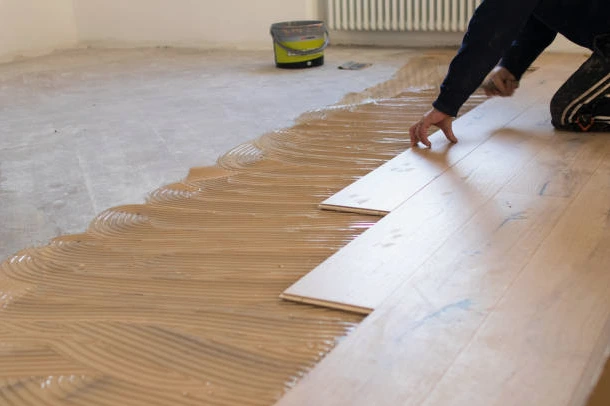
With preparation complete, installation begins.
Depending on the material, installers may:
- Lay planks or tiles
- Cut flooring to fit around obstacles
- Install transition strips
- Leave proper expansion gaps
- Secure flooring according to manufacturer specifications
Professional installers carefully check alignment throughout the process to ensure every section looks consistent and performs well over time.
Day 5: Finishing Touches
After the flooring is installed, attention turns to the finishing details.
This stage may include:
- Installing baseboards or quarter-round molding
- Reinstalling doors if necessary
- Installing transitions between rooms
- Cleaning the work area
- Final quality inspection
- Homeowner walkthrough
Before leaving, your contractor should explain how to care for your new flooring and provide any maintenance recommendations or warranty information.
Why Professional Installation Is Worth the Time
Many homeowners focus only on how quickly the project can be completed. However, the true goal isn’t simply finishing fast—it’s installing your flooring correctly the first time.
A professional installation helps ensure:
- Smooth, level floors
- Proper moisture protection
- Correct expansion spacing
- Strong, secure installation
- Manufacturer warranty compliance
- Longer flooring lifespan
- Fewer repairs in the future
Choosing an experienced contractor may take a little more time upfront, but it can save you significant money, stress, and repairs down the road.
Flooring Installation Time by Flooring Type
Not all flooring materials are installed the same way. Some can be completed in a single day, while others require acclimation, adhesives, curing time, or additional finishing work. Understanding the installation process for each flooring type helps you choose the option that best fits your schedule, budget, and lifestyle.
Below is a detailed look at the most popular flooring materials and how long each typically takes to install.
Luxury Vinyl Plank (LVP)
Average Installation Time: 1–3 Days
Luxury Vinyl Plank (LVP) has become one of the most popular flooring options for modern homes. It combines the appearance of hardwood with exceptional durability, water resistance, and relatively quick installation.
Many LVP products feature a click-lock system, allowing planks to fit together without nails or glue. This speeds up installation while creating a clean, seamless finish.
Typical Installation Process
Day 1
- Deliver materials
- Allow acclimation if required by the manufacturer
- Remove old flooring
- Inspect and prepare the subfloor
Day 2
- Install vinyl planks
- Make cuts around cabinets, doorways, and walls
- Install transition strips
Day 3 (if needed)
- Install trim and baseboards
- Final inspection
- Complete cleanup
Factors That Can Extend the Timeline
Even though LVP installs quickly, these issues may add extra time:
- Uneven subfloors
- Water-damaged plywood
- Large or multiple rooms
- Custom plank layouts
- Stair installations
- Heavy furniture removal
Best For
Luxury Vinyl Plank is an excellent choice for:
- Kitchens
- Bathrooms
- Laundry rooms
- Basements
- Living rooms
- Homes with children
- Pet owners
Its combination of durability, moisture resistance, and fast installation makes it one of the most practical flooring choices for busy households.
Laminate Flooring
Average Installation Time: 1–3 Days
Laminate flooring offers the appearance of hardwood at a more affordable price. It also resists scratches well, making it a popular option for active families.
Although laminate installs similarly to LVP, most products still require acclimation before installation.
Typical Timeline
Preparation
- Acclimate flooring for 24–72 hours
- Remove existing flooring
- Inspect the subfloor
Installation
- Install underlayment
- Lay laminate planks
- Install trim and transitions
What Can Delay Installation?
Common delays include:
- Moisture issues
- Uneven concrete slabs
- Complicated room layouts
- Staircases
- Custom installation patterns
Most average-sized homes can have laminate flooring installed within two days once preparation is complete.
Engineered Hardwood Flooring
Average Installation Time: 2–5 Days
Engineered hardwood provides the timeless beauty of real wood while offering better moisture resistance than traditional solid hardwood.
Unlike solid hardwood, engineered wood is made with multiple layers that improve stability, making it suitable for many areas of the home.
Installation Process
Professional installers typically follow these steps:
- Deliver flooring
- Acclimate materials if recommended
- Remove old flooring
- Prepare and level the subfloor
- Install underlayment if necessary
- Install flooring
- Install trim and transitions
- Final inspection
Advantages
Many engineered hardwood products come prefinished, meaning there’s no sanding or staining required after installation. This significantly reduces installation time compared to traditional hardwood floors.
Solid Hardwood Flooring
Average Installation Time: 5–10+ Days
Solid hardwood flooring remains one of the most valuable investments homeowners can make.
However, it’s also one of the longest flooring installations because wood naturally expands and contracts based on humidity.
Proper installation requires patience.
Step 1: Acclimation
Before installation begins, hardwood flooring should remain inside the home long enough to adjust to indoor conditions.
Depending on the species and manufacturer recommendations, acclimation may take:
- 3 days
- 5 days
- 7 days
- Sometimes even longer
Skipping acclimation can result in:
- Gaps
- Buckled boards
- Warping
- Seasonal movement
Step 2: Installation
Once acclimated, installers begin laying each board.
They carefully:
- Measure rows
- Stagger joints
- Nail or staple boards
- Cut around obstacles
- Maintain expansion gaps
A professional crew may install approximately 700–1,000 square feet per day, depending on the home’s layout.
Step 3: Sanding and Finishing (Site-Finished Hardwood)
If unfinished hardwood is installed, additional steps include:
- Sanding
- Applying stain (optional)
- Applying multiple protective finish coats
- Allowing each coat to dry
These finishing steps can add several days to the overall project timeline.
Pre-finished hardwood eliminates much of this extra work, allowing homeowners to enjoy their floors sooner.
Tile Flooring
Average Installation Time: 3–7 Days
Tile flooring is one of the most durable flooring options available, but it also requires one of the most detailed installation processes.
Unlike floating floors, every tile must be individually positioned, leveled, and spaced before grout is applied.
Day 1: Surface Preparation
Installers:
- Remove old flooring
- Repair the subfloor
- Apply leveling compound if necessary
- Install backer board when required
A perfectly flat surface is critical for preventing cracked or uneven tiles.
Day 2: Tile Installation
Each tile is carefully installed using thin-set mortar.
Installers continuously check:
- Alignment
- Levelness
- Spacing
- Pattern consistency
Intricate designs such as herringbone or mosaic layouts naturally take longer.
Day 3: Curing Time
The adhesive beneath the tile needs sufficient time to cure before anyone walks on the floor.
Rushing this step can weaken the bond and reduce the lifespan of the installation.
Day 4: Grouting
Once the mortar has cured, grout is applied between every tile.
Excess grout is cleaned away, leaving clean, consistent joints.
Day 5: Final Curing and Cleanup
The grout must dry completely before heavy foot traffic resumes.
Depending on the grout type, sealing may also be recommended to protect against moisture and stains.
Natural Stone Flooring
Average Installation Time: 5–10 Days
Natural stone flooring including marble, slate, travertine, and granite—requires the greatest level of craftsmanship.
Every stone tile is unique, requiring installers to carefully plan placement for the most attractive finished appearance.
Why Stone Takes Longer
Natural stone often requires:
- Additional subfloor reinforcement
- Precise leveling
- Specialized cutting equipment
- Careful layout planning
- Sealing before or after installation
Because of its weight and unique characteristics, installation typically takes longer than ceramic or porcelain tile.
The result, however, is a luxurious floor that can last for decades with proper care.
Which Flooring Can Be Installed the Fastest?
If completing your project quickly is your top priority, here’s how common flooring materials compare.
| Flooring Type | Installation Speed |
| Luxury Vinyl Plank | ⭐⭐⭐⭐⭐ Very Fast |
| Laminate | ⭐⭐⭐⭐⭐ Very Fast |
| Engineered Hardwood | ⭐⭐⭐⭐ Fast |
| Tile | ⭐⭐⭐ Moderate |
| Natural Stone | ⭐⭐ Slower |
| Solid Hardwood | ⭐ Slowest |
While installation speed is important, it shouldn’t be the only factor in your decision. Durability, maintenance, appearance, and long-term value should also play a role when selecting the best flooring for your home.
Does Faster Installation Mean Better?
Not necessarily.
A reputable flooring contractor won’t rush the job just to finish quickly. Proper preparation, moisture testing, subfloor repairs, and careful installation are essential for a floor that looks great and performs well for years to come.
At NC Home Pros, we prioritize quality craftsmanship over shortcuts. Our goal is to install your new flooring efficiently while ensuring every detail is completed correctly the first time. From accurate measurements to the final walkthrough, we focus on delivering results that homeowners can enjoy for years.
What Can Delay Flooring Installation?
Even with careful planning, some flooring projects take longer than expected. While experienced contractors do everything possible to stay on schedule, certain issues aren’t visible until the old flooring has been removed.
Knowing what can delay your project helps you set realistic expectations and avoid frustration.
1. Hidden Subfloor Damage
One of the most common causes of delays is discovering damage beneath the existing flooring.
Problems may include:
- Water damage
- Rotting plywood
- Mold or mildew
- Loose subfloor panels
- Structural damage
- Uneven surfaces
These issues should be repaired before new flooring is installed. Although repairs may add an extra day or two, they help prevent future problems such as squeaking floors, movement, moisture damage, and premature wear.
2. Moisture Problems
Moisture is one of the biggest enemies of flooring.
Before installation, professional contractors often perform moisture testing, especially for hardwood, engineered wood, and laminate flooring.
If excessive moisture is found, additional drying time or moisture barriers may be necessary before installation can safely continue.
3. Material Delivery Delays
Occasionally, flooring materials or trim pieces may arrive later than expected due to supplier delays or shipping issues.
Ordering materials well in advance helps reduce this risk and keeps your project on schedule.
4. Custom Designs
Straight plank installations are generally faster than decorative layouts.
Installation takes longer if you’ve selected designs such as:
- Herringbone
- Chevron
- Parquet
- Borders
- Mixed plank widths
- Decorative tile patterns
These layouts require more planning, cutting, and precision but create a unique, high-end appearance.
5. Large Furniture and Appliances
Heavy furniture, kitchen appliances, built-in shelving, or oversized items may take additional time to move safely.
Preparing rooms before installation day can help the crew begin work more quickly.
6. Unexpected Repairs
Sometimes contractors discover issues unrelated to the flooring itself, including:
- Damaged baseboards
- Broken trim
- Loose stairs
- Door clearance problems
- Cracked concrete
Addressing these issues during the project helps ensure the finished floor performs properly for years to come.
How to Prepare Your Home Before Flooring Installation
Preparing your home ahead of time helps your flooring project move faster and protects your belongings during installation.
Here’s a simple homeowner checklist.
✔ Remove Small Items
Clear the room of:
- Decorations
- Lamps
- Electronics
- Plants
- Picture frames
- Rugs
- Small furniture
This gives installers a clean workspace and reduces the risk of accidental damage.
✔ Move Valuable or Fragile Items
Construction work naturally creates vibrations.
Remove or secure:
- Glass decorations
- Artwork
- Mirrors
- Family heirlooms
- Collectibles
Protecting valuable items before work begins provides extra peace of mind.
✔ Make Arrangements for Pets
Power tools, unfamiliar people, and open doors can be stressful for pets.
Consider keeping them in a separate room or arranging for them to stay elsewhere until the project is complete.
✔ Plan for Noise
Flooring installation involves cutting, hammering, sanding, and other construction activities.
If you work from home or have young children, you may want to plan your schedule accordingly.
✔ Discuss Furniture Moving
Ask your contractor whether furniture moving is included in your estimate.
Knowing this in advance helps prevent delays on installation day.
✔ Provide Easy Access
Clear driveways, walkways, and entryways so installers can easily move materials and equipment into your home.
Can You Stay in Your Home During Flooring Installation?
In many cases, yes.
However, the answer depends on:
- The size of your project
- The rooms being renovated
- The flooring material
- Whether adhesives or finishes are being used
For example:
Luxury Vinyl and Laminate
Many homeowners remain in their homes during installation since these materials generally produce minimal odors and don’t require lengthy curing times.
Hardwood Flooring
If sanding and finishing are required, temporary relocation may be more comfortable because of dust, odors, and drying times.
Tile Flooring
You can usually remain at home, but access to certain rooms may be restricted while mortar and grout cure.
Your contractor will help you understand which areas of your home will be unavailable during the project.
When Can You Walk on New Floors?
This is one of the most common questions homeowners ask.
The answer depends on the flooring material.
| Flooring Type | Light Foot Traffic | Heavy Furniture |
| Luxury Vinyl Plank | Immediately or within a few hours | About 24 Hours |
| Laminate | Within 24 Hours | 24–48 Hours |
| Engineered Hardwood | Usually 24 Hours | 48 Hours |
| Solid Hardwood | Varies depending on finish | Several Days |
| Tile | 24 Hours | 48–72 Hours |
| Natural Stone | 24–48 Hours | Several Days |
Always follow your contractor’s recommendations before moving heavy furniture back into place.
DIY vs. Professional Flooring Installation
Many homeowners consider installing flooring themselves to save money. While DIY installation can work for small projects, professional installation often delivers better long-term value.
| DIY Installation | Professional Installation |
| Takes longer for most homeowners | Faster, more efficient installation |
| Limited access to specialized tools | Professional equipment and techniques |
| Greater risk of mistakes | Precise measurements and expert craftsmanship |
| May void manufacturer warranties | Often helps maintain warranty coverage |
| Unexpected costs from errors | High-quality results with fewer surprises |
Professional installers also identify hidden issues, such as moisture damage or uneven subfloors, before they become expensive repairs.
Signs of a High-Quality Flooring Installation
Not all flooring installations are the same. A quality installation should include careful preparation, precise workmanship, and attention to detail.
Look for these signs:
- Smooth, level flooring throughout the room
- Tight, consistent seams between planks or tiles
- Clean cuts around walls and doorways
- Proper expansion gaps where required
- Secure transition strips between flooring types
- No hollow spots, squeaks, or loose boards
- Thorough cleanup after installation
- A final walkthrough with the homeowner
Choosing an experienced contractor helps ensure your flooring not only looks beautiful on day one but continues performing well for years.
Frequently Asked Questions
How long does flooring installation take for one room?
Most single-room flooring projects can be completed in one to two days, depending on the flooring material and whether subfloor preparation is required.
Do installers remove old flooring?
Yes. Most professional flooring companies offer removal and disposal of existing flooring as part of the project. Be sure to confirm this when requesting your estimate.
Does new flooring increase home value?
Quality flooring is one of the home improvements that can improve your property’s appearance and may increase its resale appeal, especially when replacing worn or outdated floors.
Can flooring be installed over existing flooring?
In some situations, yes. Certain flooring products can be installed over existing surfaces if they are clean, level, and structurally sound. Your contractor will determine whether this is appropriate for your home.
Should furniture be removed before installation?
Yes. Rooms should generally be cleared before installation begins unless your contractor offers furniture-moving services.
Does flooring installation create dust?
Some dust is unavoidable, particularly when removing old flooring or sanding hardwood. Professional contractors use protective measures and clean the work area before completing the project.
What flooring installs the fastest?
Luxury Vinyl Plank (LVP) and laminate flooring are typically among the fastest flooring materials to install.
What flooring takes the longest to install?
Solid hardwood and natural stone flooring generally require the most time due to acclimation, preparation, finishing, or curing requirements.
Is flooring installation noisy?
Yes. Expect noise from saws, nailers, and other equipment during the installation process.
How can I help my project stay on schedule?
Preparing your home in advance, ordering materials early, removing personal belongings, and maintaining clear communication with your contractor can all help keep your project moving smoothly.
Final Thoughts
Installing new flooring is an exciting investment that can completely transform your home’s appearance, comfort, and value. While every project has a unique timeline, understanding the installation process ahead of time allows you to prepare your home, minimize disruptions, and make informed decisions.
Whether you’re installing luxury vinyl plank, hardwood, laminate, tile, or engineered wood flooring, working with an experienced contractor helps ensure the project is completed efficiently and with lasting quality.
At NC Home Pros, we take pride in delivering professional flooring installation with careful planning, skilled craftsmanship, and attention to every detail. From the initial consultation to the final walkthrough, our goal is to provide beautiful floors that you’ll enjoy for years to come.
If you’re planning a flooring project, contact NC Home Pros today to schedule a consultation and receive a personalized estimate. We’re here to help you choose the right flooring, explain every step of the process, and complete your installation with quality you can trust.