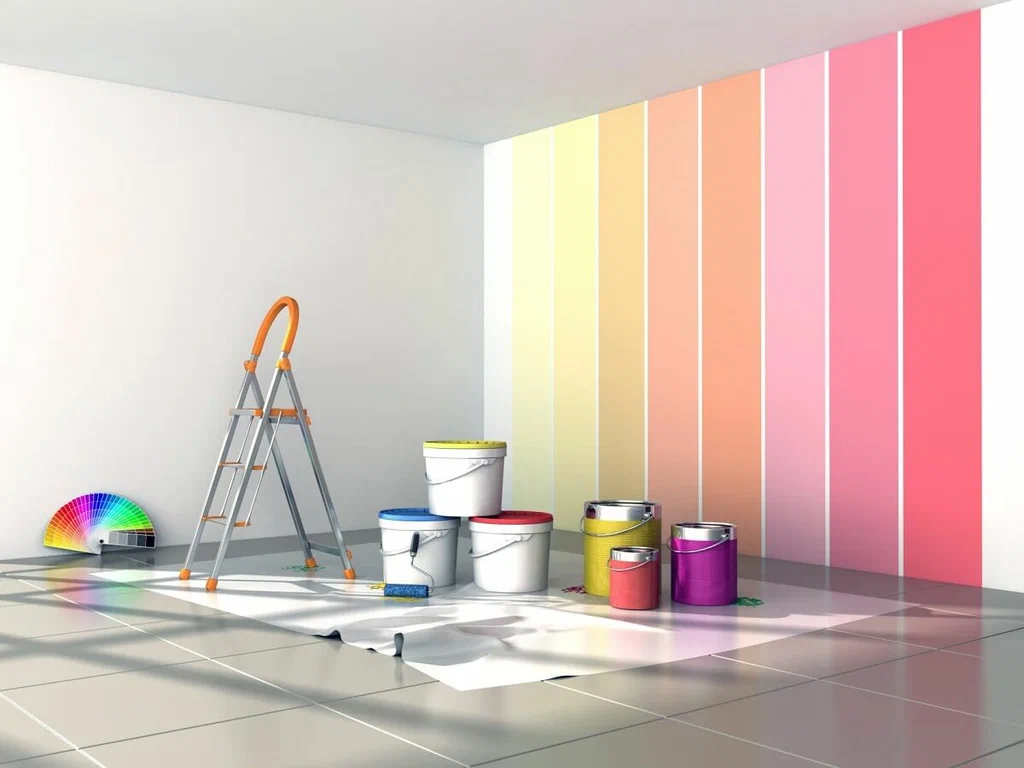

Painting a room is one of the most transformative and budget-friendly ways to refresh your home. A new coat of paint can brighten a space, change its mood, and even make rooms appear larger or cozier. For beginners, however, painting a room can feel intimidating—but with the right approach, tools, and techniques, anyone can achieve a professional-looking finish.
At NC Home Pros, we often see homeowners hesitate to start a painting project, but with proper guidance, even a first-timer can achieve amazing results. In this guide, we’ll cover everything from choosing paint to preparing surfaces, painting techniques, and cleanup tips, ensuring your next project is smooth, efficient, and rewarding.
Why You Should Paint Your Room Yourself
DIY interior painting is popular for many reasons:
- Cost-effective: Save on labor costs compared to hiring professionals.
- Creative control: Choose your colors, finishes, and accent walls.
- Satisfaction: Transform your space with your own hands and see instant results.
While it’s a manageable DIY project, careful planning is key to a flawless finish.
Step 1: Gather the Right Tools and Supplies
Having the right tools makes painting easier and helps you achieve a cleaner result. Here’s what you’ll need:
Basic Painting Supplies:
- Paint (latex or acrylic, interior-grade)
- Primer (if necessary)
- Paint stir sticks and a can opener
- Drop cloths or plastic sheeting
- Painter’s tape
Painting Tools:
- 2″ angled brush for edges and corners
- Paint roller with extension pole
- Paint tray and liners
- Handheld paint pail for cutting-in
- Sandpaper (220 grit)
- Putty knife and spackle/nail filler
- Screwdriver (for outlet covers and switch plates)
- Ladder or step stool
Step 2: Choose the Right Paint and Finish
Choosing the right paint involves color, type, and finish.
Picking the Color
Selecting a paint color is crucial for setting the mood in your room:
- Test paint samples on different walls in the room.
- Observe colors at various times of day to see how lighting affects them.
- Consider your home’s overall palette to ensure harmony.
Selecting Paint Type
- Acrylic latex: Water-based, easy to clean, and ideal for interior walls.
- Paint & primer in one: Saves time and offers better coverage.
Understanding Paint Sheens
| Paint Sheen | Description | Best Use |
| Flat/Matte | No shine, hides imperfections | Ceilings, low-traffic areas |
| Eggshell | Slight sheen, moderately durable | Living rooms, dining rooms |
| Satin | Low-sheen, easy to clean | Hallways, bedrooms, kitchens |
| Semi-Gloss | Shiny, highly durable | Bathrooms, kitchens, trim |
| High Gloss | Maximum shine and durability | Doors, cabinets, trim |
Choosing the right sheen balances appearance, durability, and ease of cleaning.
Step 3: Prepare Your Room
Preparation is essential for a professional finish.
- Remove or Protect Furniture: Move furniture out of the room or to the center and cover with drop cloths.
- Clean Walls: Wash walls to remove dust, grease, and dirt for better paint adhesion.
- Repair Surface Imperfections: Use spackle to fill holes, dents, and scratches, then sand smooth.
- Protect Edges: Apply painter’s tape along baseboards, ceilings, window frames, and trim.
- Remove Hardware: Take down outlet covers, switch plates, and wall hangings.
Proper preparation prevents uneven surfaces, streaks, and peeling.
Step 4: Priming the Walls (Optional but Recommended)
Priming helps paint adhere better, covers stains, and ensures a consistent color.
- Use a primer when painting over dark colors, bare drywall, or walls with stains.
- Apply with a roller for large areas and a brush for corners and edges.
Step 5: Painting Techniques for Beginners
Cutting In
Use an angled brush to paint edges and corners before rolling the walls. “Cutting in” ensures clean lines along trim, ceilings, and windows.
Rolling Walls
- Pour paint into a tray and load the roller evenly.
- Apply in sections using a “W” or “M” pattern to distribute paint evenly.
- Lightly roll at first to prevent drips, then increase pressure as needed.
Multiple Coats
Most rooms need two coats for full coverage and a professional finish. Allow the first coat to dry completely before applying the second.
Step 6: Drying and Finishing Touches
- Remove painter’s tape while paint is still slightly wet to avoid jagged edges.
- Touch up small areas with a brush as needed.
- Clean brushes and rollers immediately after use (water for latex paint).
Step 7: Common Beginner Mistakes to Avoid
- Skipping wall cleaning or repairs
- Using low-quality tools or paint
- Painting too thickly or unevenly
- Rushing drying times
- Not protecting furniture and floors
Following proper steps ensures your DIY project looks professional, and if you ever want guidance, NC Home Pros can provide expert tips and advice for interior painting projects.
Step 8: Advanced Tips for a Professional Look
- Work from top to bottom to prevent drips on freshly painted areas.
- Maintain a wet edge to avoid lap marks.
- Ventilate the room for faster drying and reduced fumes.
- Use quality brushes and rollers for smoother application.
- For accent walls, experiment with textures or bold colors to create focal points.
Step 9: Cleaning and Storing Tools
- Spray excess paint off brushes and rollers with water or appropriate solvent.
- Use a paint brush cleaning tool to remove paint between bristles.
- Wrap brushes and rollers in plastic wrap if storing overnight.
- Let tools dry completely before reuse.
Final Thoughts
Painting a room is an accessible and rewarding DIY project. With the right tools, careful prep, and proper techniques, even beginners can achieve a professional-quality finish.
By following this guide, you can confidently transform your space, whether you’re updating a bedroom, living room, or home office.